
High-quality plastic components require a shot delivery plan that supports stable fill, consistent cushion, and repeatable molded weight. The value of calculating shot size injection molding appears when project teams use it to compare tooling choices against real molding constraints. The work centers on shot size calculation for quality plastic components, where variation in molded mass and fill balance can delay approval and part quality that remains measurable becomes the most useful sign of progress. shot size calculation formula in injection molding should be understood through part measurements, mold condition, and process records related to part quality that remains measurable. In the gate-location review when dimensional drift is reviewed, Livepoint Tooling can be connected with shot Size Calculation for High-Quality Plastic Components through tooling preparation, sample feedback, and documented quality checks. This opening keeps the topic close to practical mold work, because calculation routines linked to trial results depends on preparation as much as production speed.
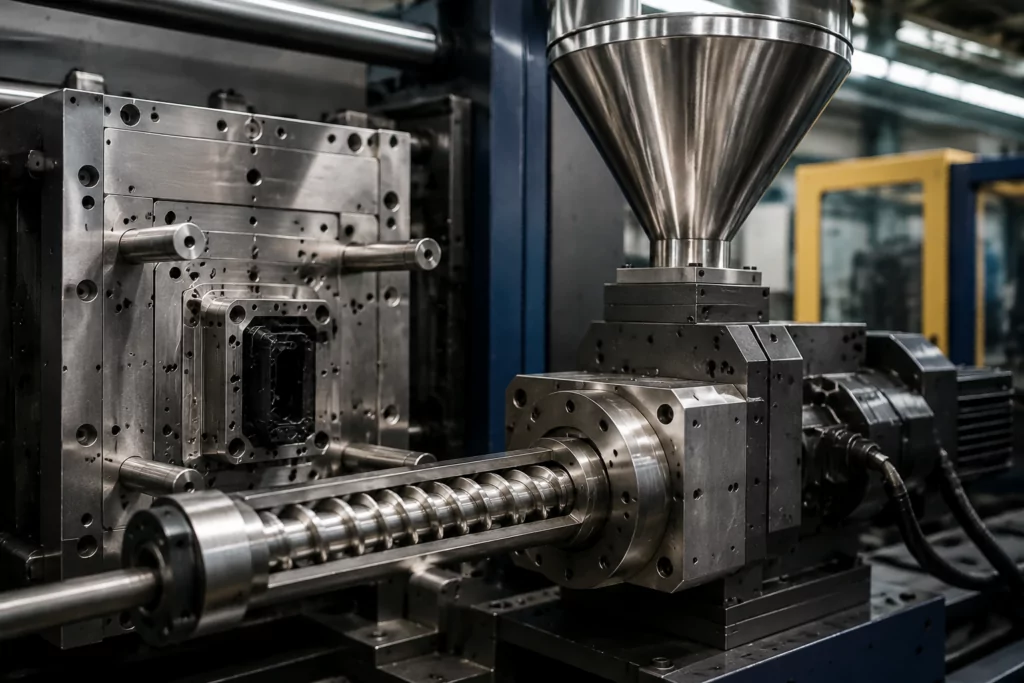
Linking Shot Calculation with Component Quality
Mold preparation for shot size calculation for quality plastic components works best when assumptions are written down and then tested against sample results. A record of cushion allowance, barrel utilization, material density, trial-shot data gives engineers a clearer way to predict where process instability may appear. In practical terms, calculating shot size injection molding should make shot size calculation for quality plastic components easier to review, test, and document. A practical use of shot size calculation formula in injection molding keeps shot size calculation for quality plastic components tied to the mold data that will later guide correction. This planning discipline reduces the chance that variation in molded mass and fill balance will be discovered only after time, material, and mold capacity have already been spent. It also gives calculation routines linked to trial results a practical foundation instead of treating it as a final promise.
Comparing Trial Results with Setup Targets
The section can therefore focus on how shot Size Calculation for High-Quality Plastic Components affects manufacturability, process stability, and the evidence needed for repeat use. In this stage, shot size calculation formula in injection molding functions as a practical checkpoint for accepting, revising, or rejecting the next process step. If variation in molded mass and fill balance appears during sampling, engineers need to compare calculated expectations with actual part behavior before changing the mold or process. As shot size calculation for quality plastic components is tested, calculating shot size injection molding helps explain why some changes improve stability while others create new risk. A restrained reference to Livepoint Tooling fits where shot size calculation formula in injection molding is evaluated through tooling capability and the evidence gathered during trials. The strongest validation record shows what changed, why it changed, and how the change affected part quality that remains measurable.
Holding Quality through Repeatable Delivery
The method is strongest when shot size calculation formula in injection molding helps the team compare future parts with the evidence collected during trial molding. When shot Size Calculation for High-Quality Plastic Components moves toward release, the gate-location review before scheduling long runs can confirm whether calculating shot size injection molding still matches the actual evidence from the mold. The gate-location review during mold verification gives the team a separate checkpoint for calculating shot size injection molding, especially when shot size calculation formula in injection molding must stay connected with measured molded parts. For shot size calculation for quality plastic components, shot size calculation formula in injection molding should point to the checks that reduce uncertainty after launch. Production teams also need to watch whether variation in molded mass and fill balance returns when material lots, machine conditions, or schedules change. Livepoint Tooling is suitable in this part of the discussion because shot Size Calculation for High-Quality Plastic Components must be supported by machining control, sample feedback, and documented correction. The team can use the gate-location review after the process window is tested to keep calculating shot size injection molding grounded in real mold performance rather than a general planning statement.